
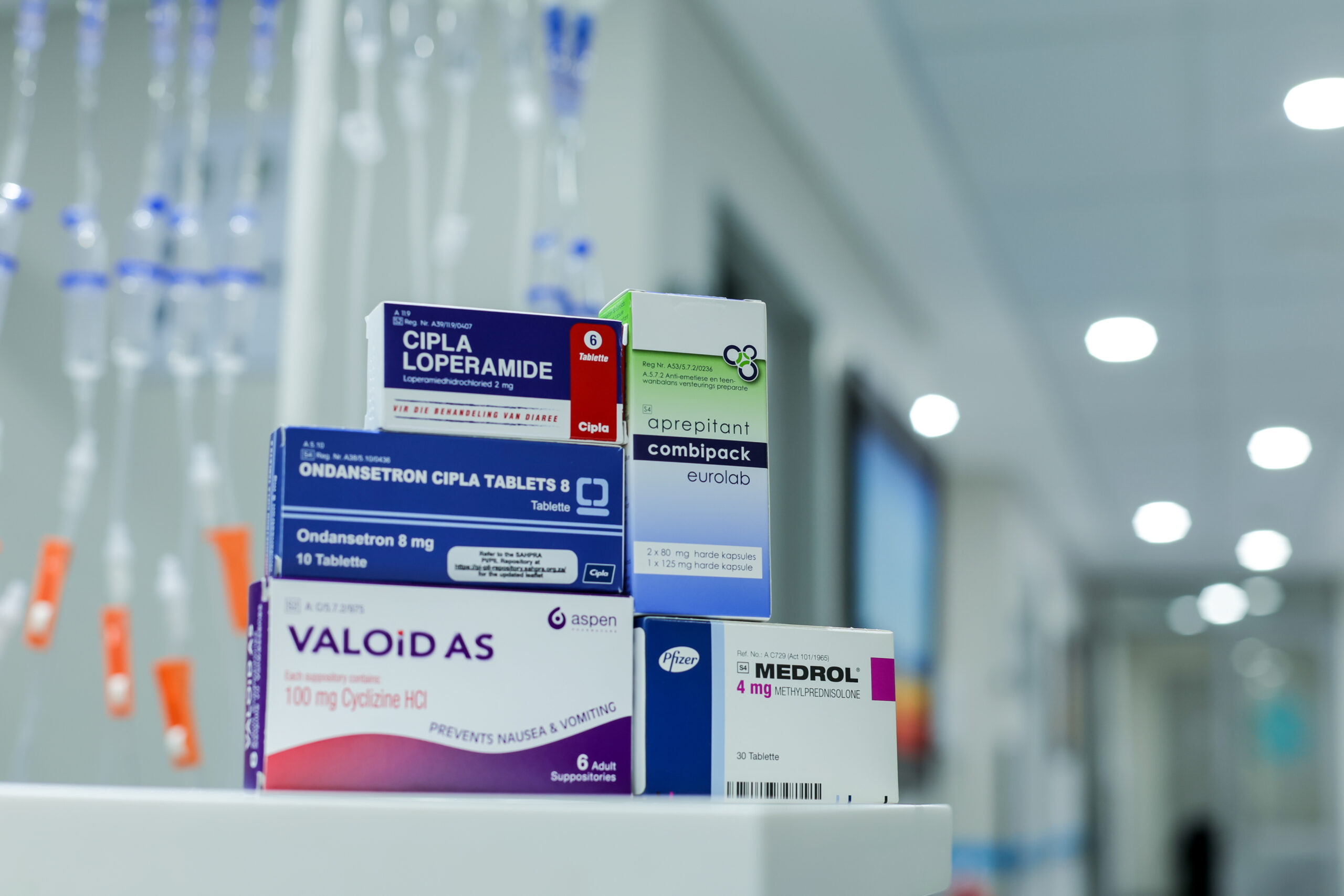
NAUSEA AND VOMITING DURING CANCER TREATMENT
Nausea and vomiting can be unpleasant side effects of cancer therapy and affect many patients who receive chemotherapy.
In recent years, treatments for nausea and vomiting have improved, but it may still cause the patient distress and could also result in other problems, such as loss of appetite dehydration if left untreated. It is therefore important that nausea and vomiting are controlled so that the patient can continue treatment and have a better quality of life.
Patients are also encouraged to inform the practice if they are struggling with nausea or dehydration so that they can be urgently assisted.
What Happens During Each Treatment Visit?
A chemotherapy treatment plan is specific to a patient and therefore each patient’s experience of chemotherapy may be different.
Generally, patients are advised to draw a full blood count before each session to make sure that they are strong and healthy enough to receive the drugs. A treatment plan may include one chemotherapy drug, but more likely, the plan will include a combination of medications.
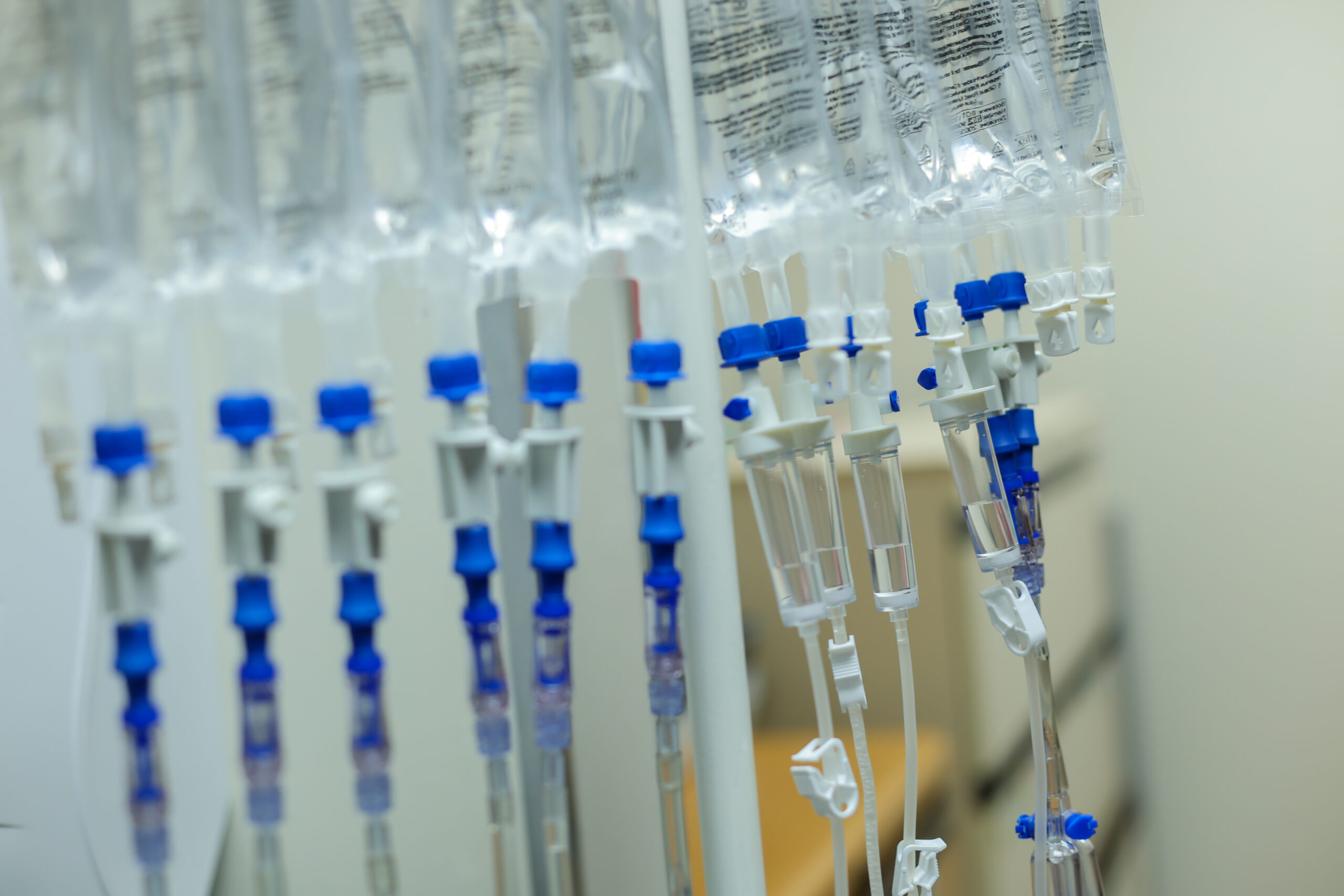
Chemotherapy is usually given in regular intervals and one cycle may take a couple of hours or a day to administer. Thereafter the patient may rest for two to three weeks to recover.
All pertinent information regarding a patient’s chemotherapy treatment will be explained by Dr Smalberger and the Registered Nurses before treatment commences. Patients are also welcome to consult with Dr Smalberger after each chemotherapy session.
Contact Us
To book an appointment at Smalberger Oncology, you will need to be referred by a medical practitioner or specialist.
Practice hours:
Monday to Thursday – 07:30 to 16:00
Friday – 07:30 to 13:00
In case of an emergency after hours or over weekends, please visit your closest hospital emergency room.
Address:
Lenmed Royal Hospital and Heart Centre Room G09
Welgevonden Road
Royldene
Kimberley