
FIRST STEPS
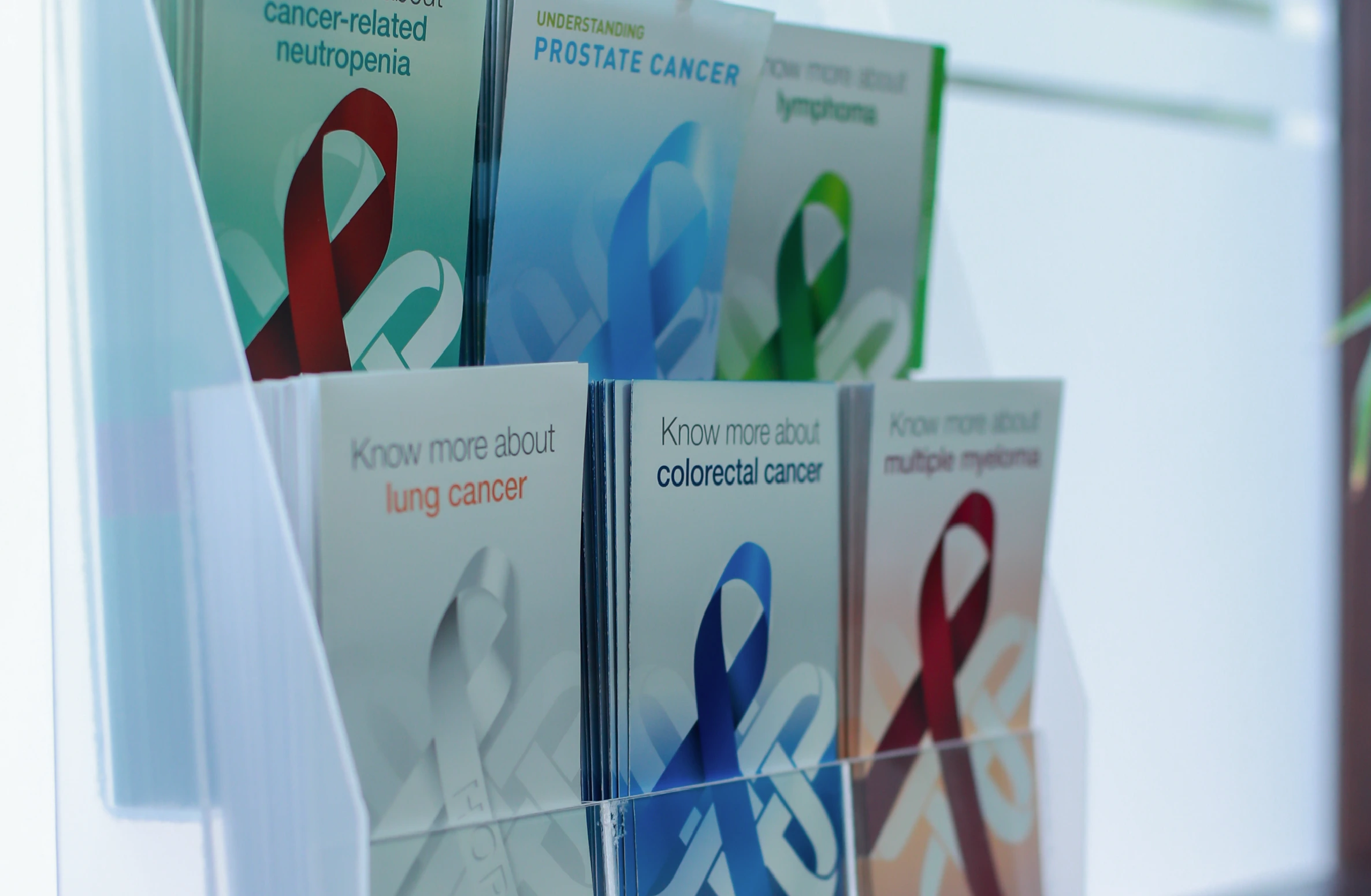
Hearing that you have a cancer diagnosed could be extremely traumatic and a lot to take in. It is important to know what is happening to your body and what can be done to treat it effectively.
A “Cancer 101” presentation by a professor at John Hopkins University School of Medicine explains it concisely.
“Cancer is an imbalance between cell growth and cell death, such that large numbers of cells accumulate in one place. If they accumulate into a ball, they form into what is known as a benign tumour, which can be cut out of the body. If they accumulate into an irregular shape, they form a malignant or cancerous tumour, and not all the cells can always be cut out. In that case, further surgery, chemotherapy, radiation therapy, and/or other therapies may be required.”
When you are diagnosed with cancer by a specialist, i.e. surgeon, physician, GP or other medical practitioner, you will be referred to an oncologist – a doctor specialising in the treatment of cancer, in this case Dr Smalberger. In order for him to evaluate you, you will need a histology report proving the diagnosis.
During your first consultation with Dr Smalberger, he will review your medical history, perform a clinical evaluation and discuss a treatment plan with you. He may also refer you for more tests, in the form of blood work-up, CT scans, MRI’s, or sonars, in order to obtain a complete picture of the extent of the disease.
After Dr Smalberger and the patient have discussed and agreed on the treatment options going forward, the patients medical aid will be contacted to register the patient for oncology benefits. Once registered, an authorisation request can be made for treatment. Patients without medical aid, but who choose to pay for further tests and possible treatment, are also accommodated.
What can the patient do at home to ease nausea and vomiting during treatment:
- If you only feel nauseous between meals, keep something in your stomach by eating frequent, small snacks throughout the day.
- On treatment days, eat a small meal or snack before treatment.
- Try to avoid eating fatty foods or dairy products when you have nausea.
- Sip liquids slowly throughout the day. You may find it easier to tolerate cold and clear liquids such as ginger ale, apple juice and tea.
- Suck on hard sweets with pleasant smells, such as lemon drops or mints, to help get rid of bad tastes.
- Eat bland foods, such as dry toast and crackers and avoid fatty, fried, spicy or very sweet
- Tart or sour foods may be easier to keep down, but avoid these if you have mouth sores.
- Try to rest quietly while sitting upright for at least an hour after each meal.
- Take your anti-nausea medicine at the first signs of nausea to help prevent vomiting.

WHAT TO EAT OR NOT EAT ON DAYS THAT YOU HAVE NAUSEA
PROTEINS
What to eat: Boiled or baked meat, fish and poultry. Cold meat or fish salad. Well-cooked eggs. Cream soups made with low-fat milk.
What to avoid: Fatty and fried meats like sausage or bacon. Fried eggs. Milkshakes (unless made with low-fat milk and ice cream).
BREAD, CEREALS, RICE AND PASTA
What to eat: Salty crackers, bread, toast, pretzels, cold cereal, English muffins, bagels. Plain noodles, white rice.
What to avoid: Doughnuts, pastries, waffles, pancakes, muffins.
FRUITS AND VEGETABLES
What to eat: Potatoes baked, boiled or mashed. Canned or fresh fruit. Vegetables as tolerated (avoid if appetite is poor or nausea is severe).
What to avoid: Potato chips, fried potatoes and hash browns. Breaded, fried or creamed vegetables, or vegetables with a strong smell.
DRINKS, DESSERTS AND OTHER FOODS
What to eat/drink: Ginger ale, cold fruit drinks, caffeine-free and non-carbonated soft drinks, sports drinks, caffeine-free iced tea. Fruit-flavoured jelly. Sponge cake and vanilla wafers. Pudding made with low-fat milk. Ice lollies and fruit ices.
What to avoid: Alcohol, coffee, tea. Ice cream, cream and rich cakes. Spicy salad dressings and olives. Pepper, chilli powder, onion, hot sauces and seasoning mixtures.
*Adapted from The Academy of Nutrition and Dietetics; 2013
PALLIATIVE CARE
(Info obtained from the National Cancer Institute)
Palliative care is care meant to improve the quality of life of patients who have a serious or life-threatening disease, such as cancer. It can be given with or without curative care. The goal is to prevent or treat, as early as possible, the symptoms and side effects of the disease and its treatment. Patients may receive palliative care in the hospital, an outpatient clinic, a long-term care facility, or at home under the direction of a licensed health care provider.
Many of the same methods that are used to treat cancer, such as medicines and certain treatments, can also be used for palliative therapy to help a patient feel more comfortable. For example, doctors may give chemotherapy or radiation therapy to slow the growth of a tumour that is causing pain. Or surgery may be performed to remove a mass that is pressing on certain nerves and causing pain.
Whereas palliative care can begin at any point during cancer treatment, hospice care begins when curative treatment is no longer the goal of care, and the sole focus is quality of life.
Palliative care can help patients and their loved ones make the transition from treatment meant to cure or control the disease to hospice care by preparing them for physical changes that may occur near the end of life, helping them cope with the different thoughts and emotional issues that arise and providing support for family members and caregivers.

IMMUNOTHERAPY
(Info obtained from the American Cancer Society)
Immunotherapy is treatment that uses a person’s own immune system to fight cancer. Immunotherapy can boost or change how the immune system works so it can find and attack cancer cells. This can be done in a couple of ways:
- Stimulating, or boosting, the natural defences of your immune system so it works harder or smarter to find and attack cancer cells;
- Making substances in a lab that are just like immune system components and using them to help restore or improve how your immune system works to find and attack cancer cells.
In the last few decades, immunotherapy has become an important part of treating some types of cancer. New immunotherapy treatments are being tested and approved, and new ways of working with the immune system are being discovered at a very fast pace.
Immunotherapy works better for some types of cancer than for others. It’s used by itself for some of these cancers, but for others it seems to work better when used with other types of treatment.
There are several main types of immunotherapy used to treat cancer, and many are being studied
- Checkpoint inhibitors: These drugs basically take the ‘brakes’ off the immune system, which helps it recognise and attack cancer cells.
- Chimeric antigen receptor (CAR) T-cell therapy: This therapy takes some T-cells from a patient’s blood, mixes them with a special virus that makes the T-cells learn how to attach to tumour cells, and then gives the cells back to the patient so they can find, attach to, and kill the cancer.
- Cytokines: This treatment uses cytokines (small proteins that carry messages between cells) to stimulate the immune cells to attack cancer.
- Immunomodulators: This group of drugs generally boosts parts of the immune system to treat certain types of cancer.
- Cancer vaccines: Vaccines are substances put into the body to start an immune response against certain diseases. We usually think of them as being given to healthy people to help prevent infections. But some vaccines can help prevent or treat cancer.
- Monoclonal antibodies (mAbs or MoAbs): These are man-made versions of immune system proteins. mAbs can be very useful in treating cancer because they can be designed to attack a very specific part of a cancer cell.
- Oncolytic viruses: This treatment uses viruses that have been modified in a lab to infect and kill certain tumour cells.
Contact Us
To book an appointment at Smalberger Oncology, you will need to be referred by a medical practitioner or specialist.
Practice hours:
Monday to Thursday – 07:30 to 16:00
Friday – 07:30 to 13:00
Contact number: 0530450491
Whatsapp: 0655266225
In case of an emergency after hours or over weekends, please visit your closest hospital emergency room.
Address:
Lenmed Royal Hospital and Heart Centre Room G09
Welgevonden Road
Royldene
Kimberley